

What is Endovascular Surgery?
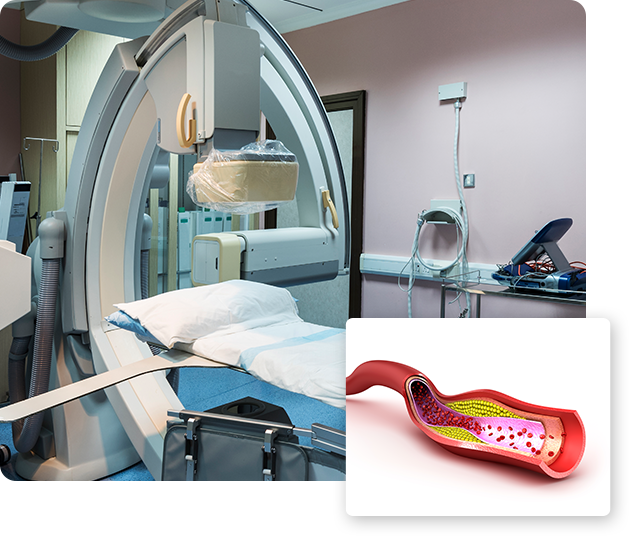
Endovascular surgery is a minimally invasive technique to treat vascular conditions with the help of a catheter with specialized instruments inserted through an artery & advanced to access the target area under image guidance.
Endovascular Surgery can be used to address a range of brain and spine conditions using various neurosurgical techniques
Expert Insights When It Matters Most
Get a Second OpinionSecurely Upload Your Medical Images

If you have been diagnosed with a cerebrovascular condition and are seeking a second opinion, we provide a HIPAA-compliant platform to upload your MRI and CT scans. Our specialists will review your case and provide expert recommendations tailored to your specific needs.
Why Get a Second Opinion?
- Confirm Your Diagnosis
Ensure your condition has been accurately identified.
- Discover All Options
Learn about treatment approaches you may not have been offered.
- Specialist Expertise
Gain insights from experts in cerebrovascular care.
- Peace of Mind
Feel confident you're making the best health decision.
- Better Outcomes
A second opinion can lead to safer, more effective treatment
About
Ryan P. Morton, M.D. Medical Director of Stroke, Christus Health

Dr. Ryan P. Morton is a neurosurgeon and educator with a distinguished academic and professional background. He earned his MD from Loyola University Chicago Stritch School of Medicine, where he graduated as valedictorian and summa cum laude. He also holds a Bachelor of Science degree from the University of Notre Dame, earned in 2005.
Dr. Morton completed his neurological surgical residency at the University of Washington.
Benefits of the Endovascular Approach to Treat Cerebrovascular Lesions

The endovascular approach to treating cerebrovascular lesions offers numerous advantages over traditional open surgery. This minimally invasive technique provides a more efficient, safer, and comfortable experience for patients, allowing for precise treatment with fewer complications. Here are the key benefits:
- Minimally invasive: Involves small incisions, reducing tissue disruption.
- Faster recovery: Patients experience quicker recovery times and less postoperative pain.
- Reduced risk of complications: Lower chance of infection and other complications compared to open surgery.
- Precise treatment: Catheters allow for targeted treatment of lesions like aneurysms and stenosis.
- Shorter hospital stay: Patients can typically go home sooner.
- Improved patient comfort: Less discomfort due to smaller incisions and reduced trauma.
ComprehensiveCerebral Aneurysm Care

Our team is experienced in diagnosing and treating brain aneurysms using advanced techniques such as coiling, flow diversion, and stent-assisted procedures. We provide detailed case examples to illustrate real patient outcomes, helping you understand your treatment options and what to expect.
Pseudotumor CerebriDiagnosis & Treatment
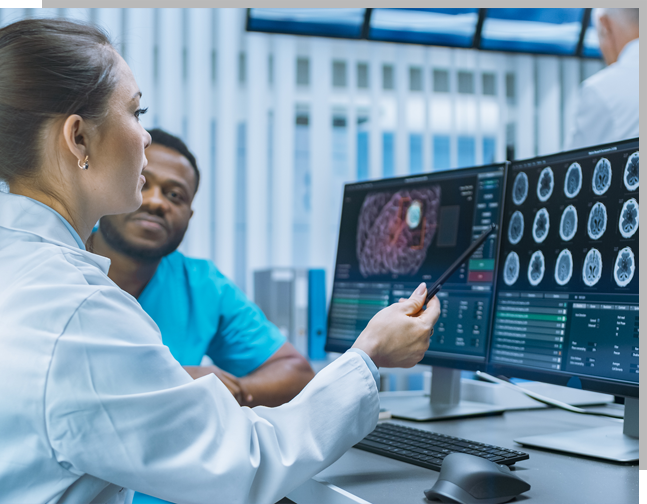
Pseudotumor cerebri, also known as Idiopathic Intracranial Hypertension (IIH), can cause severe headaches and vision problems due to increased pressure inside the skull. We offer minimally invasive interventions, including venous sinus stenting, to relieve symptoms and restore quality of life. Our case studies highlight successful treatment approaches, demonstrating how endovascular techniques can improve patient outcomes.

Patient EducationalVideos & Resources





Babcock Rd
2829 Babcock Rd
San Antonio, TX 78229
2829 Babcock Rd
San Antonio, TX 78229
Christus Hills
11123 Christus Hills
Plaza 4
San Antonio, Tx 78251
11123 Christus Hills
Plaza 4
San Antonio, Tx 78251